



When shopping for new flooring or a feature wall, you’ve probably come across technical terms like porcelain tiles, ceramic tiles, or descriptions mentioning a specific number of "faces."
If you’ve ever found yourself wondering, "What on earth does a tile with 12 faces mean?", you aren't alone! It’s one of the most common questions we get.
To understand why this number matters for your home’s aesthetic, let’s take a quick look at how modern tile manufacturing works and how factories use cutting-edge technology to replicate natural materials.
The Quick Guide To How Modern Tiles Are Made
The journey of a standard ceramic or porcelain tile is a blend of raw earth and incredibly high-tech machinery. Here is how a raw material becomes a beautifully finished product:
-
The Blend: It starts with a mix of natural raw materials—mainly clay, feldspar, and sand for porcelain floor tiles, or alternative clay bodies for standard wall tiles.
-
The Press: This mixture is finely ground into a powder, slightly moistened, and then fed into massive industrial presses. Under immense pressure, it is stamped into the shape of a tile, creating what factories call a "green body."
-
The Print & Glaze: Before hitting the heat, the tile receives its decorative look. This is where the magic happens, transforming plain clay into beautiful wood-look tiles or hyper-realistic stone-look tiles.
-
The Firing: Finally, the tiles travel through a massive roller kiln at temperatures exceeding 1200°C. This permanently vitrifies the clay, making it incredibly dense, waterproof, and scratch-resistant.
Breaking Down "Tile Faces": Why It Dictates The Look
Decades ago, factories used physical screens or rollers to apply patterns to tiles. Because they were using physical moulds, every single tile coming off the conveyor belt looked identical. If you laid them across a living room floor, the repetitive pattern looked noticeably artificial.
Today, modern tile design relies on high-definition digital inkjet printing. Just like a photo printer at an office, massive digital nozzles glide over the tile blanks, applying ceramic inks with sub-millimeter precision.
Because the process is digital, the factory’s computer can cycle through completely different graphic files as the tiles roll past. Each one of these unique design files is called a "face".
What Does The Number Of "Tile Faces" Mean For Your Home?
When we say a specific porcelain tile collection has 12 faces, it means the manufacturer has created 12 completely distinct surface patterns before any design repeats.
When you purchase a box of these tiles, the designs are mixed up inside. When your tiler installs them, they will pull from different boxes to randomize the layout.

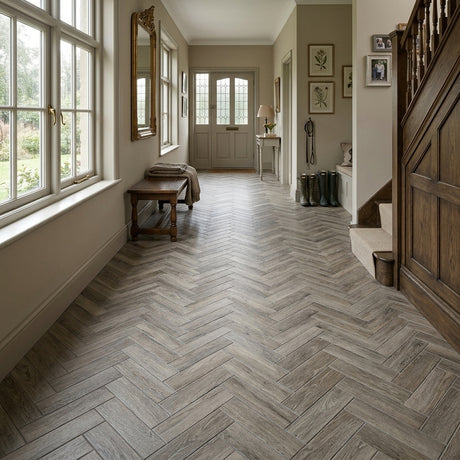
The Tuscany Elm Wood Effect Porcelain 20x120cm pictured above has 32 unique Tile Faces making your room look truly unique and giving an authentic wood effect look.
For basic, budget tiles, you might only get 1 to 3 faces. Premium, high-quality porcelain tiles typically feature anywhere from 12 to 30+ faces to ensure your room looks completely unique, organic, and ultra-luxurious.
Choosing the Right Visual for Your Project
When browsing our latest tile collections online or ordering samples, remember that a single sample tile represents just one of those available faces.
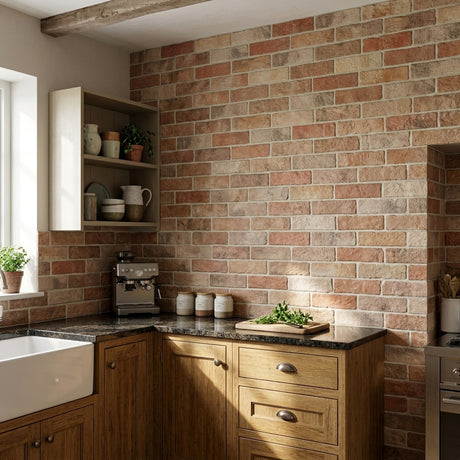
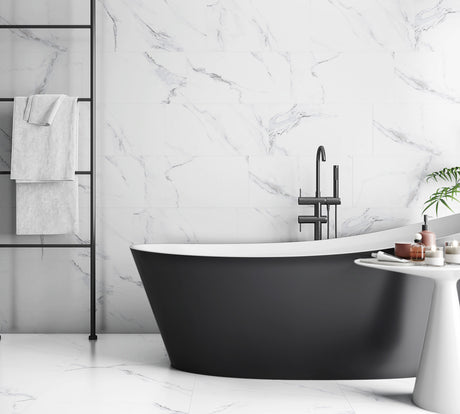
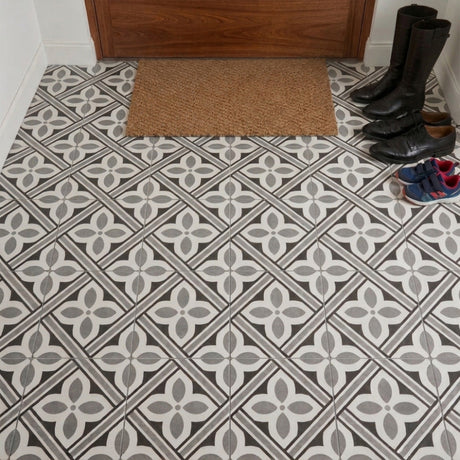
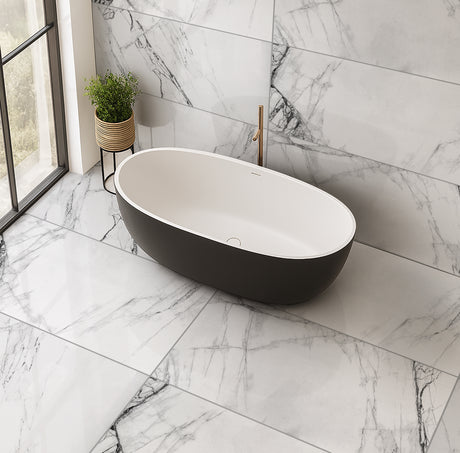
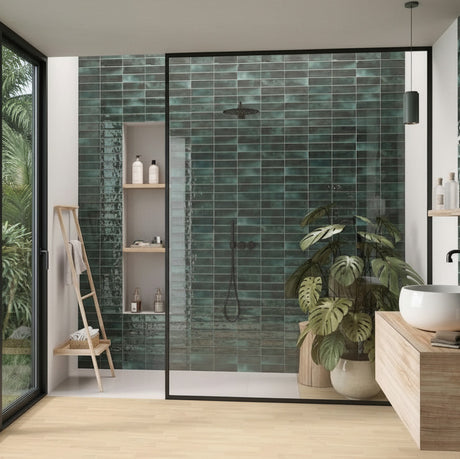
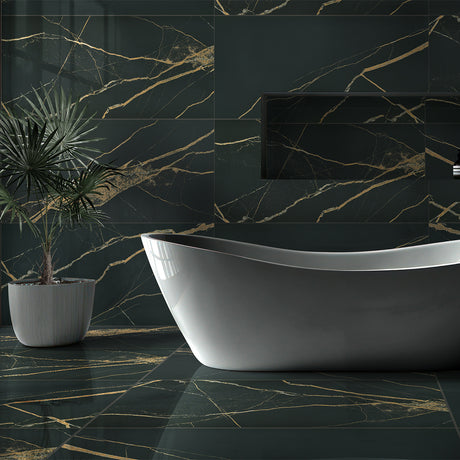
If you are aiming for a highly varied, natural look—like a dramatic Calacatta marble or a rustic oak wood plank— check the specifications for a higher face count. If you prefer a highly uniform, clean, modern minimalist look, a lower face count or a solid colour tile will serve you beautifully.
Ready to discover the perfect texture for your next renovation project? Explore our full range of high-definition porcelain and ceramic tiles today!